


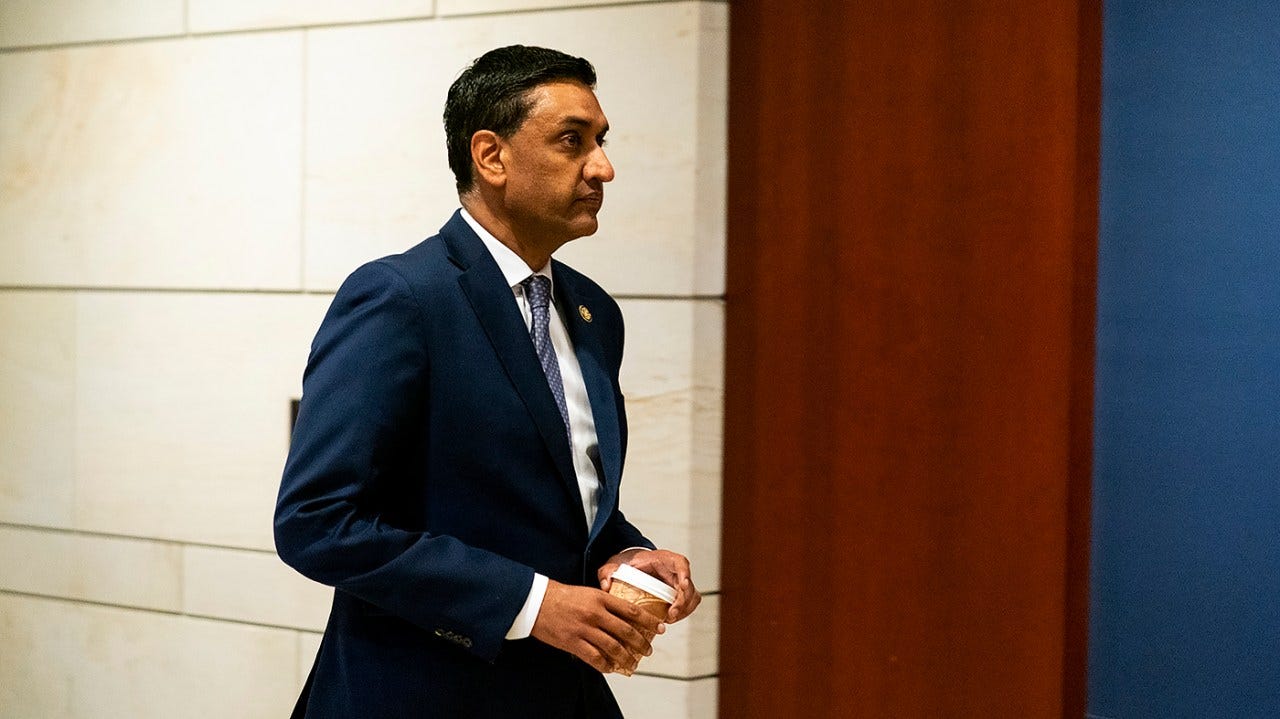
Ro Khanna didn’t pick a fight with the oligarchs of Silicon Valley. He’s offering them an off-ramp.
What started as a relatively calm online discussion about a proposed California wealth-tax ballot initiative quickly turned into something else.
The proposal itself is very unlikely to pass (21% chance on Kalshi) but is helpful in sparking a beneficial discussion on income inequality.
And yet the response was immediate and unmistakable.
Donor threats. Mockery. Exit warnings. Tweet pile-ons.
The speed and defensiveness of the reaction said more than the substance of any argument. Power doesn’t react this fast to ideas unless it thinks it has to.
What that reaction revealed, before anyone even got into the policy, is how sheltered many of the most powerful figures in tech have become. They don’t see how closely people outside their world are starting to watch. And how pissed off this audience already is.
For me, this isn’t a fight over taxes. It’s a fight over whether American elites (especially in Silicon Valley) understand how revolutions start… and how they’re avoided.
Ro Khanna’s posture has been notable because he isn’t throwing bombs. He’s been very clear about the nuance needed on this topic. He’s rejected blanket taxes on unrealized gains, which would be insane.
He’s acknowledged the risks of blindly applying wealth taxes to illiquid founders and companies that aren’t profitable. He’s emphasized that innovation is essential, that Silicon Valley is essential to American success and that blunt instruments like a broad wealth tax can be dangerous if not used carefully.
Khanna keeps coming back to the same point: the numbers are not tenable, the anger is very real and ignoring it going forward isn’t a legitimate option.
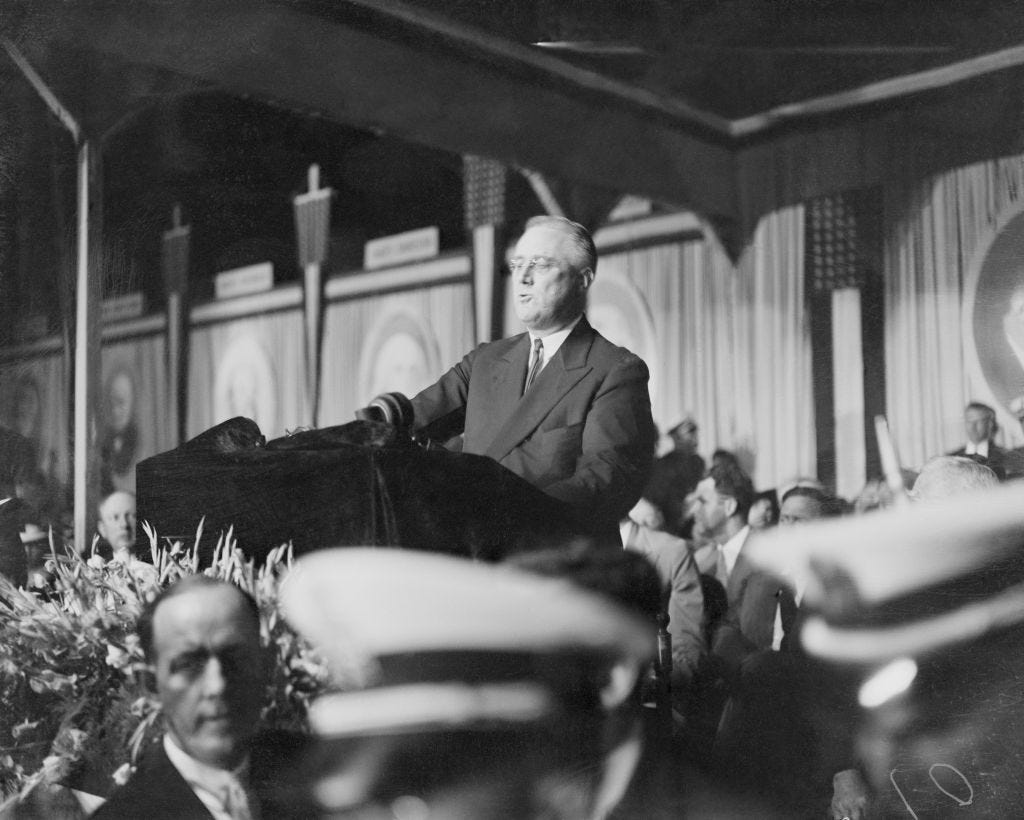
Khanna invokes FDR and “economic royalists” (as I have on the Driscoll Globe), it’s not for nostalgia purposes. It’s historical literacy.
FDR understood that when inequality gets to a certain level, the question stops being whether reform is perfect and starts being whether it arrives in time.
The wealth tax Khanna talks about isn’t punitive. He calls it an “anti-revolution” tax. It’s releasing the pressure valve. Buying time before the anger gets out of control and becomes unmanageable.
This is much of the part that Silicon Valley elites seem unable (or unwilling) to hear.
Instead of coming to the table and talking about solutions, they’ve resorted to threats. It’s a familiar pattern. People operating at these levels of privilege and insulation often mistake stability for permanence.
They assume that the systems that launched them will continue to work indefinitely, even as more and more people recognize how unfair these systems are.
What’s missing from the recent backlash is any serious engagement with why the system feels rigged for so many Americans. It’s not just about how much wealth exists, it’s not zero-sum in that sense. It’s about how differently the rules apply once you cross a certain monetary threshold.
For most people, spending cash means earning it first and paying taxes along the way. For those at the very top, it often works differently: vast paper wealth is used as collateral to take out cash. No income is realized and no tax bill arrives.
You can disagree with Khanna’s solutions and still recognize that something has to change.
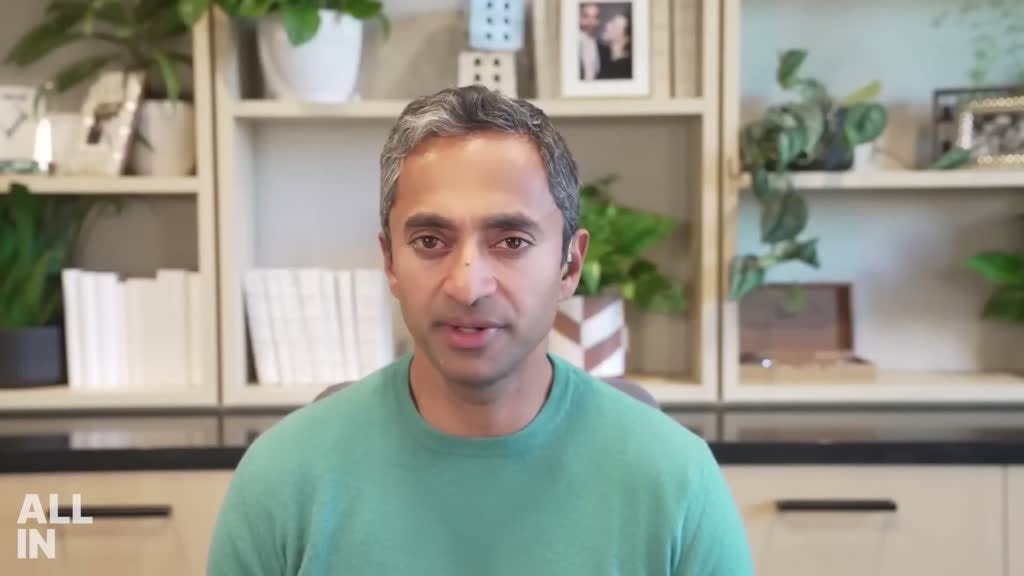
Not every response from Silicon Valley needs to be purely defensive. Chamath Palihapitiya, the All-In co-host who is certainly not on the left anymore, recently articulated the problem more clearly than his peers.
He didn’t argue that Bernie and the populist left were right on policy. But he argued that the perception gap has grown way too wide to ignore anymore. He brought up the Gilded Age and how titans like Rockefeller, Carnegie and Ford understood that visible dividends to society were essential for their businesses to maintain legitimacy.
This is the bridge that Ro Khanna is standing on now. He’s not attacking innovation but he’s warning that innovation without legitimacy from the public will eventually eat itself.
History hasn’t been subtle about what happens when extreme concentration of wealth combines with extreme anger in the masses.
The folks at the top always believe things will be different this time. They’re always wrong.
Ro Khanna is providing time and space to work this out. Whether anyone with real pull in Silicon Valley will take the olive branch is an open question.
Historical literacy - necessary and absent! Great post.