


You can’t stop the money in politics. It always finds a way.
Max Stahl thinks you’re asking the wrong question.
I first met Max Stahl in June 2007. We were living in the same dorms in Manchester, NH, part of a group of two dozen Obama for America interns canvassing towns where most people didn’t know who Obama was.
We’d go door to door in Bedford and Amherst (and other towns) carrying supporter cards, competing to see who could get more voters to commit to Obama.
Max always won. He had this money-and-politics pitch that worked like a charm, even then. He dropped out of college to work on Obama’s Nevada operation, eventually went back to school and has never really left politics.
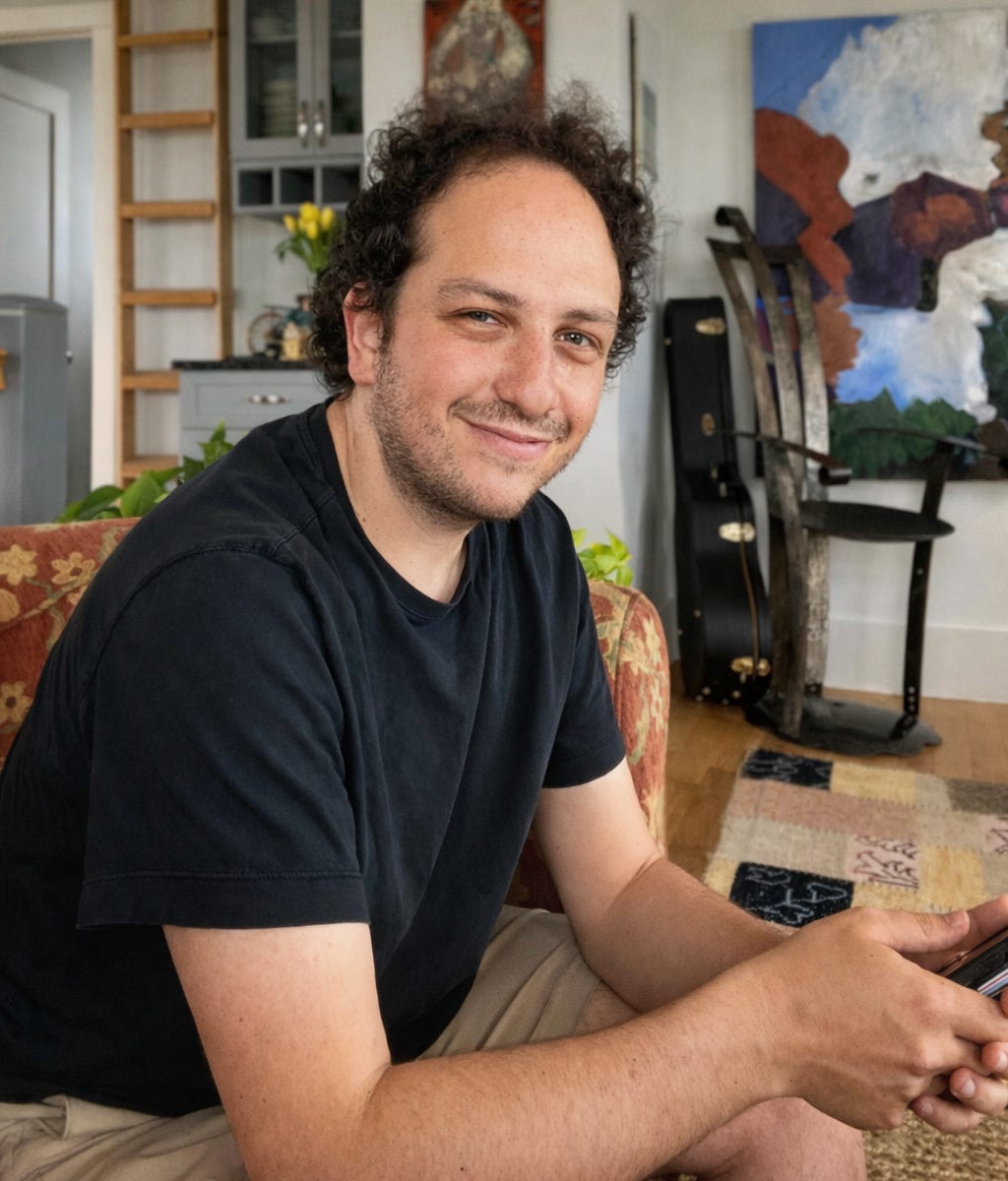
I went into media. We’ve stayed in touch ever since… and money in politics has been the thread I’ve kept pulling on because I think most of our other problems trace back to it.
Everyone knows money runs politics. But almost nobody has a clear idea what to do about it.
Every reform idea in the last 30 years has had the same issue. Disclosure requirements: the money found a way around it. Public financing: popular, bipartisan but never implemented at scale.
Money in politics is like water through rocks. You plug one hole and it finds another. Always has.
Max has spent 20 years inside this fight. In 2014, he ran a campaign on college campuses with interns making $1,500 a semester and no marketing budget. He had one goal: get presidential candidates to sign a one-line pledge to take big money out of politics.
Hillary Clinton, whose donor network was the very thing they were fighting, never officially signed. But by the end, the Democrats’ platform at the 2016 convention had his language in it anyway.
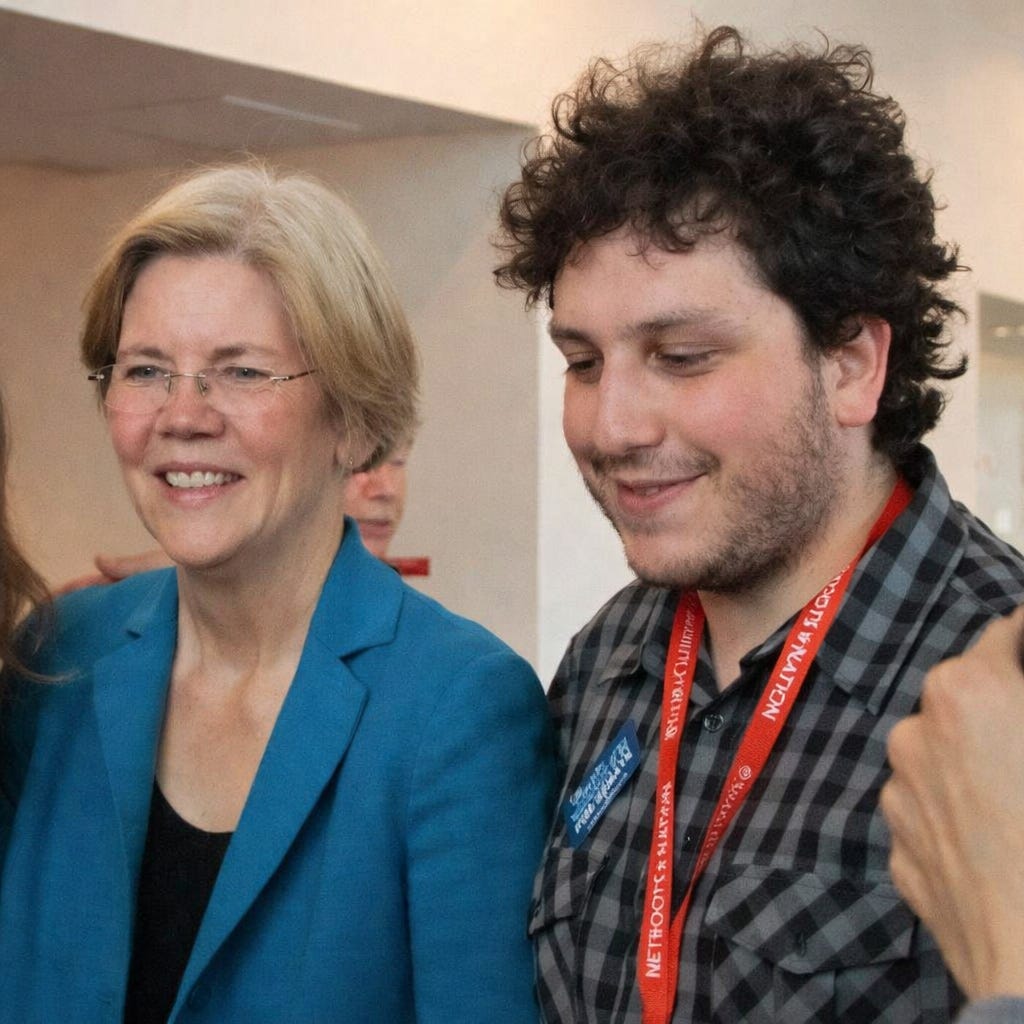
Max has watched that water long enough to know where the real crack is. When I spoke with him recently, he said something that reframed the Citizen United debate for me.
The conventional take is that CU opened up the floodgates (more money, worse politics).
Before Citizens United, even the most corrupt power centers had real constituencies. When the auto industry or oil companies did well, their workers did well, their states did well. Michigan felt the success when Detroit did. The people in the smoky back room, as Max puts it, “when they did well, they brought a lot of people with them.” It wasn’t some noble exercise, the constituencies forced their hand.
Citizens United changed who was at the table. Now you can have a single anonymous individual, no company, no workers, no factories, no real constituencies anywhere, buying as much influence as the auto industry once could.
You don’t know who these people are. You have no idea what they want. And their interests don’t have to align with anyone’s but their own.
This is why every fix aimed at “less money” keeps failing and won’t work.
So here’s where Max’s landed after 20 years of doing this.
We didn’t ban cigarettes. We heavily taxed them and used that money for the public good. Lottery tickets fund local schools. Sin taxes exist because we decided certain behaviors, while legal, should carry a public cost.
What if we applied the same logic to political donations?
Small donations would remain untouched: you and I give $25, it’s not taxed. But once you start spending big money, a progressive tax kicks in.
Hit $10K and you’re taxed at 100%. $20K, you’re paying 200%. Want to spend $10M on a race? Now it costs you $250M.
You can still spend the money, you just can’t profit from it.
We’ll never be able to remove the incentive… but we can change the cost. Right now, political spending is the best investment a billionaire can make. A $3.5K max donation to a congressional candidate (“cheap dates” as Max calls them), buys access. Access becomes information. Information becomes a market edge.
Max described a trade placed 15 minutes before Trump announced a “peace deal” with Iran, billions in calls timed to the announcement. The market surged.
You and I can’t make bets like that. The people with the right cell phone numbers can.
Let’s flip this math. Make the cost of buying influence so punishing that the ROI disappears. It won’t be illegal, just expensive enough that it stops making sense.
Where should this money go? Max has two ideas:
Fund public financing so candidates without billionaire backing can compete.
Send checks directly to people.
Max’s girlfriend was canvassing in Detroit for Kamala Harris in the days before the 2024 election. She knocked on a door in one of the poorest neighborhoods in the city. The person answered the door and quickly said they were voting for Trump.
She asked why: “Trump sent me a check. No other politician’s ever done anything for me.”
People remember when the government does something for them. It’s very sticky and it shapes how people vote.
Sin tax revenue could be a player in this. Not just a funding mechanism but a tangible signal every 2-4 years of how much the game is being played… and who gets cut in.
In 2007, we were 20 years old knocking on doors in New Hampshire for a candidate nobody believed in yet. Back then, Max was already better at the pitch than I was. He’s been refining it ever since.
Our system runs on incentives. This is one of the few ideas that actually changes them.
Not by stopping the money. By making it too expensive to matter.
Excellent note Kevin….good idea to fix an old problem. It will take a Herculean effort to get congress on board, they’ll want an alternative way to fund their campaigns. A cap on campaign funding/spending??
Brilliant idea 💡