


Meta announced that it’s spending $65M to elect state legislators who will vote the way Meta wants them to on AI issues.
This sentence should stop you.
This isn’t $65M in lobbying or campaign contributions from employees who happen to work for the company. Sixty five million dollars, from the company itself, wired through 4 new super PACs. The PACs will dominate state legislative races in Texas, Illinois, California and wherever else Mark Zuckerberg decides his interests are threatened.
The money starts flowing this week. Texas early voting just started.
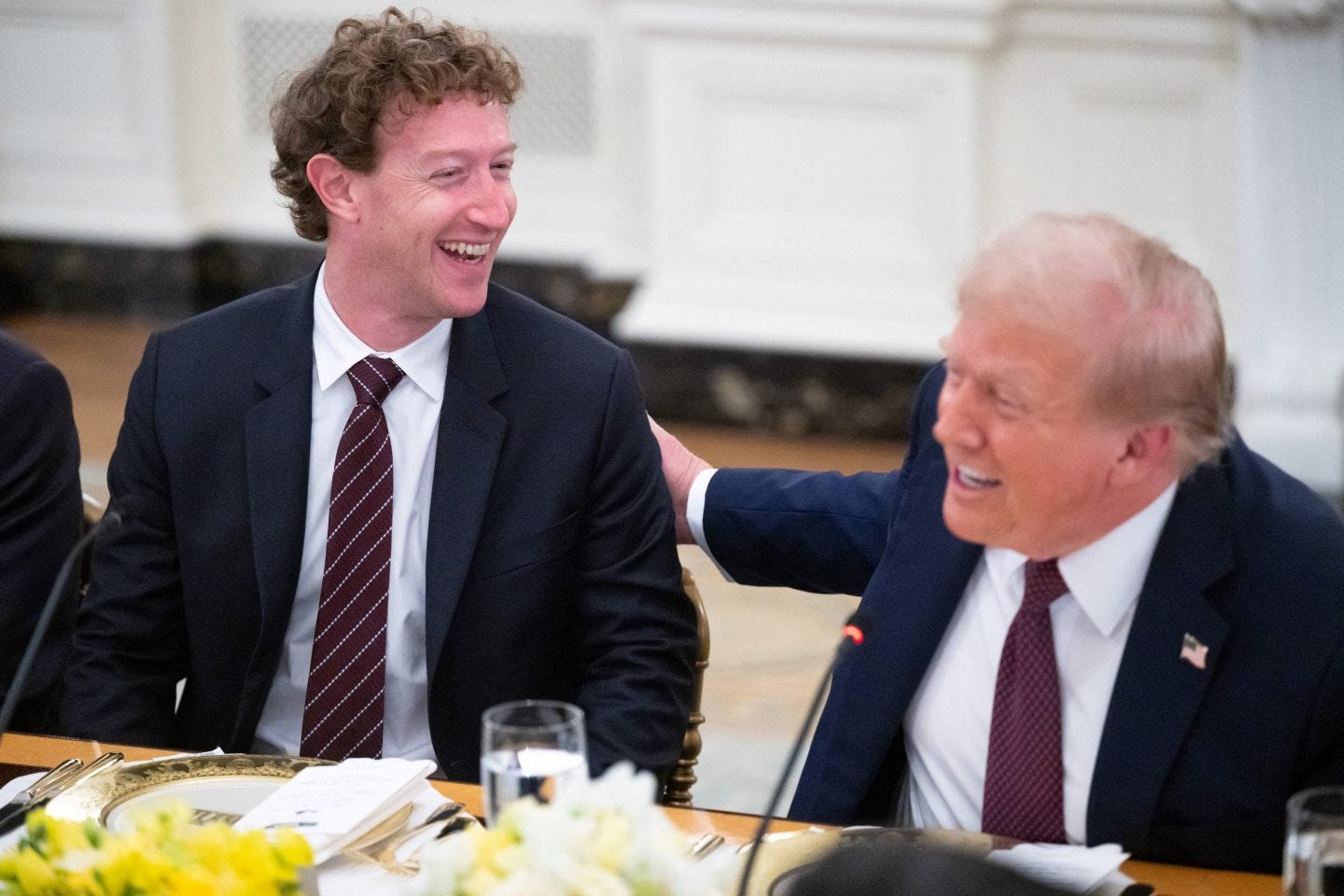
A corporation spending money on elections like this isn’t new. Energy companies do it, big pharma too. Real estate companies and unions do their share. This is the world we live in post-Citizens United.
What’s new now is the target.
There are around 7,400 state legislators across the country. Most are part-time and raise less than $100K for their campaigns. A competitive state house race costs $300K - $1M. These are elections decided by only a few thousand votes in towns most people can’t name.
Meta has $65M. In the right primary, a few hundred thousand bucks is the difference between a legislator who asks the tough questions (about new datacenters etc.) and one who doesn’t.
What also makes this different is not just the degree but the convergence of three things that haven’t existed together before: technology being regulated permeates every sector of daily life and our economy simultaneously… and a single corporation can now openly fund both party pipelines at scale and on a local level.
Lobbying influences how legislators vote. This wants to decide who the legislators are before the voting begins.
And they’re not even pretending.
In Texas, the Super PAC “Forge the Future Project With Meta” lists “tech company” as its controlling entity.
Meta created a GOP PAC and a Democratic PAC. They don’t care about party, they only care about whether you vote the way they need you to on AI.
This model was proven 2 years ago when crypto’s Fairshake PAC spent $139M on congressional races. They won 85% of them. Now the AI and Big Tech titans have copied the playbook. Between Meta and a separate $125M network backed by Andreessen Horowitz, Big Tech will deploy $300M+ into the 2026 cycle, with a growing share aimed at local statehouse races, not Congress.
Connecticut has been right in this fight. For 2 years, state Senator James Maroney has pushed SB 2, one of the most comprehensive AI regulation bills any state has attempted. It passed the Senate 32 to 4 and stalled. The state ranks 9th nationally in jobs impacted by AI (insurance, finance, healthcare, higher ed).
The state needs to be leading on this and not tiptoeing around it because industry might complain. The stakes are way too high.
I keep coming back to the paperwork in Texas: “Forge the Future Project With Meta.” Controlling entity: Meta.
They filed it with the government and it’s sitting in a public database. It’s completely legal.
The problem isn’t Meta. They are acting based on incentives, just like Danny Ainge and tanking.
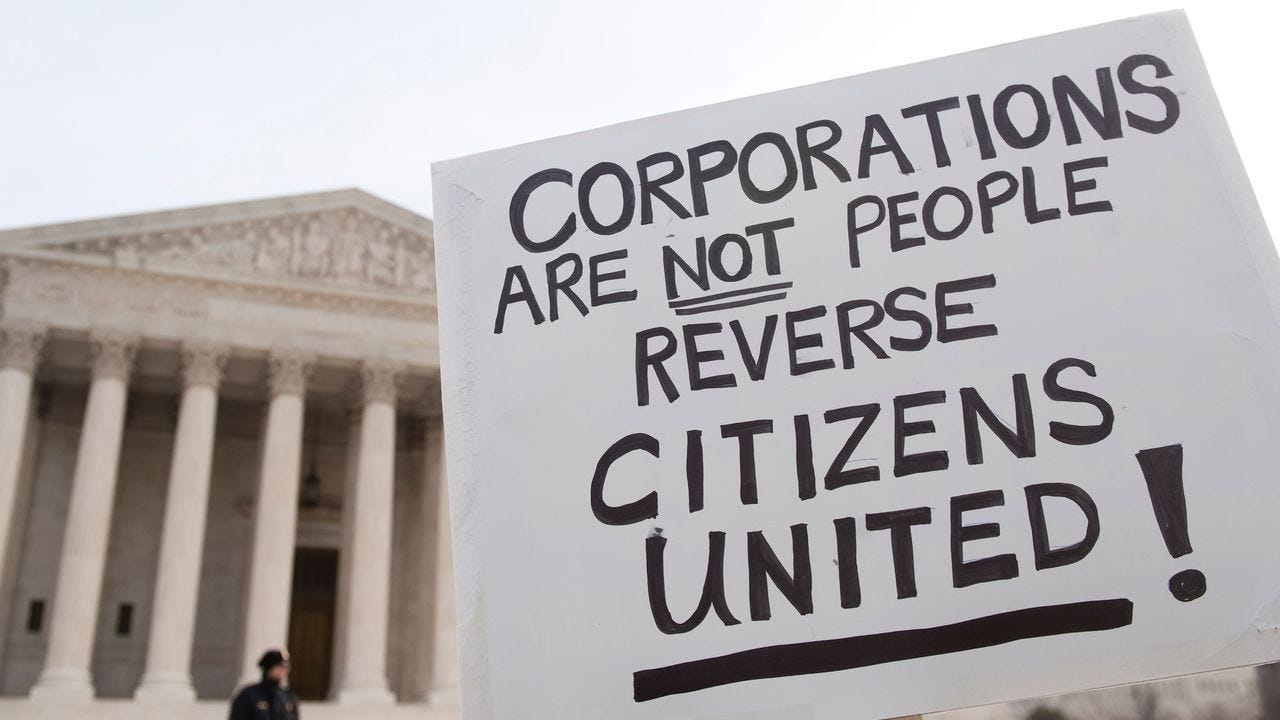
Citizens United broke campaign finance and nobody fixed it. Now a single corporation can tip a local race that decides who writes the rules on AI.
When leverage is this cheap, the rational actors will always spend big. Your state is next.
Scary to read but necessary to know. Thanks Kevin