


Is this just how it is?
We’ve been trained to think about energy as something that happens to us. The weather changes, markets swing and prices go up. There’s nothing we can do.
The energy problem in Connecticut actually isn’t that complicated. What is complicated is how hard we work to avoid the parts of it that can be fixed.
The conversation is always around volatility and never around structure. We love debating why relief doesn’t stick and why the same folks keep paying no matter what the state does on the margins.
But it’s very simple. The answer to this problem starts with the monopoly model.
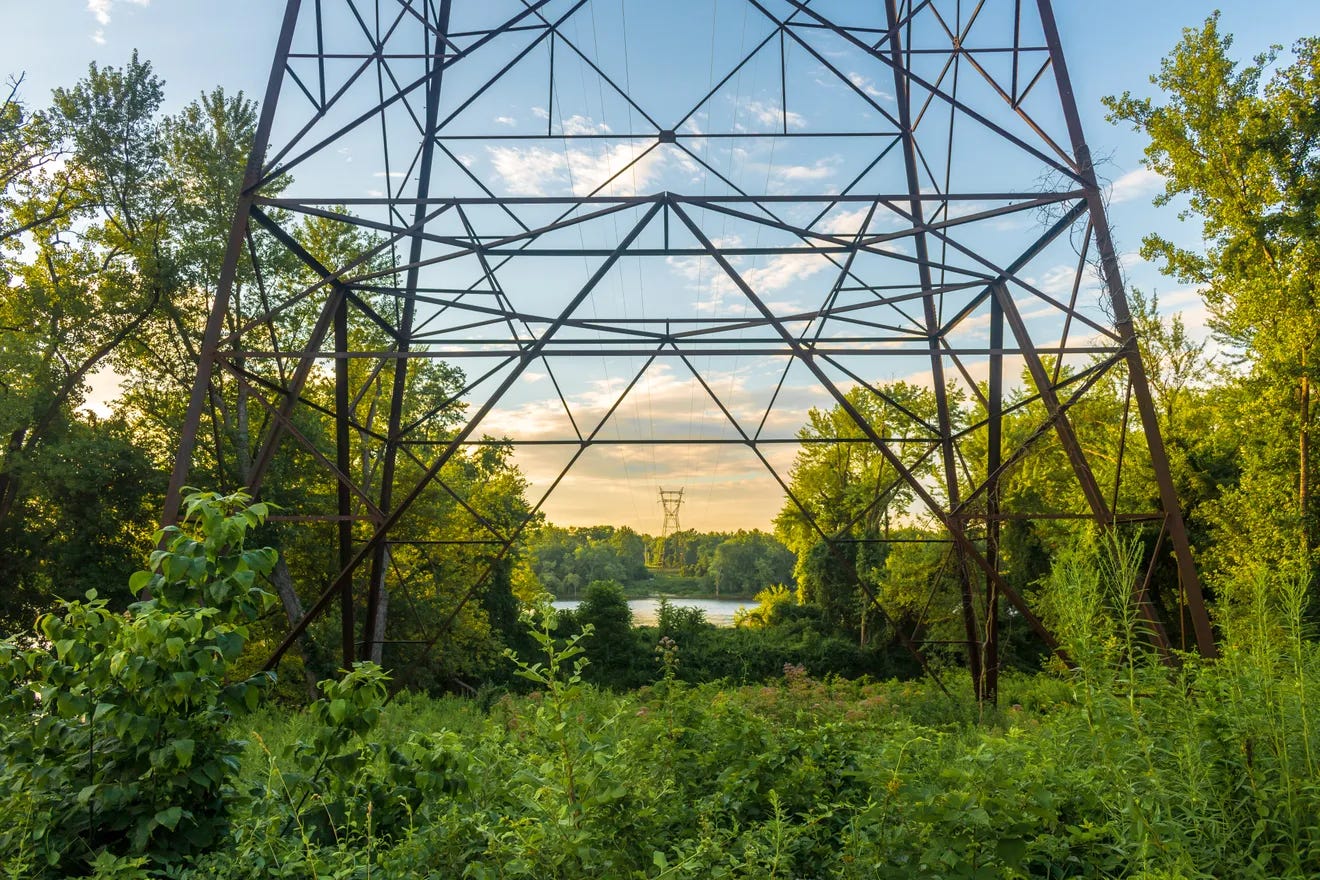
When you have a system where one company controls delivery, competition is limited and profits are protected through regulated returns, there will never be pressure to lower costs.
We have a system where pressure is applied to manage optics. The rising costs move straight to the customers. And as I mentioned in my last post, the “relief” evaporates on contact due to increased energy prices.
This is exactly how the system is supposed to work.
This is why people want to turn Eversource into a cartoon villain. It’s not a crazy thought but it’s incomplete.
Eversource isn’t misbehaving in a novel way. It’s operating in a world of incentives that reward cost pass-through and protect upside. I’m not giving them a pass, but it explains why outrage alone will never change the outcome.
But once you see this, the frustrating part isn’t how hard it will be to fix this mess. It’s how many solutions we refuse to look at.
One obvious place to start is removing the profit model itself. Right now, we guarantee returns based on infrastructure spending but ignore the outcomes. High costs don’t threaten this business model, It justifies it.
Profits should be linked to performance instead. Lower rates, more reliability and real cost containment. We do this and corporate behavior will change fast. We can’t continue to reward spending.
We currently treat energy like an Amex card. Borrowing money to smooth bills doesn’t lower future costs. It just spreads pain over time. We’re paying for electricity that was already used instead of investing in systems that could actually fix our issues.
Go for the jugular. Let’s think big.
We also have the delivery and supply relationship tied together. It limits any leverage the state and customers have against big business. Towns like Wallingford own their infrastructure and have power in the market. It’s not ideology, it’s being smart. Ownership shifts how risk is shared and how big decisions get made.
Fuel access is another big issue that people seem afraid to touch. Connecticut is heavily reliant on natural gas for electricity, particularly in the winter. Meanwhile, we’ve spent years limiting infrastructure that would help boost supply: pipelines, more storage and import capacity, while keeping demand exactly the same.
And lastly, there’s smart regulation. If regulators are publicly saying that a utility has “management issues,” there needs to be dire consequences. Customers are sick of absorbing the hit, while shareholders are insulated (Eversource’s stock is +21% over the last year). This is a choice.
We don’t need a miracle to fix this. We have a menu of options: structural, fiscal and regulatory. The state has to shift risk away from families and back toward the systems that profit from of this chaotic system.
If nothing changes, bills will continue to go up. The state will continue borrowing and people will get more pissed. We can’t afford for trust to continue to erode.
And we keep having this talk every winter like it’s brand new.